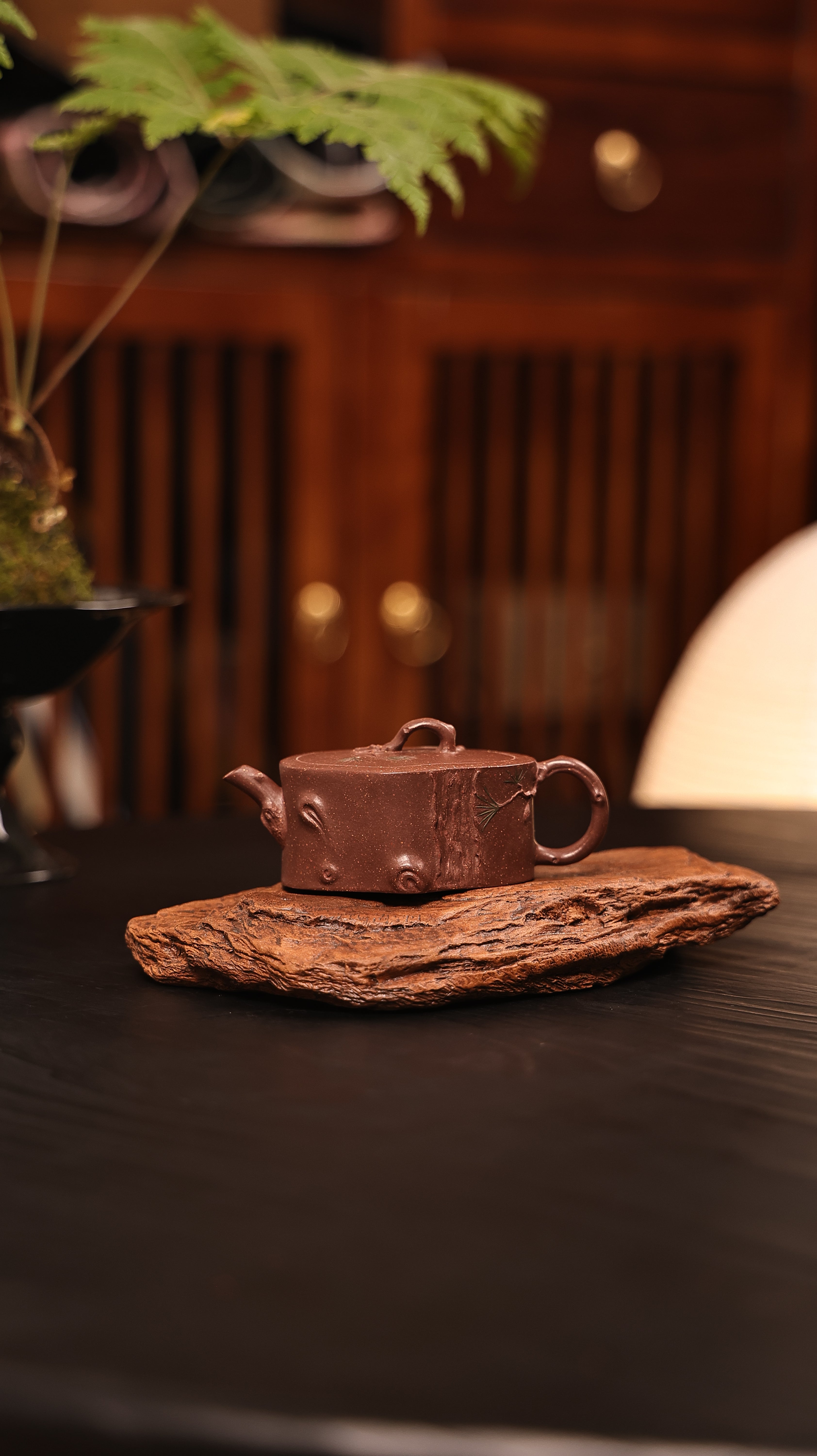
Amidst endless eras of heritage,
Throughout millennia, connoisseurs have been absorbed by the distinctive charm of Yixing Zisha urns. Originating from the zone of Yixing in the Jiangsu Province, these objects are renowned for their preeminent beauty, extraordinary clay, and inherent ability to improve the aroma of the beverage. The element's distinctive auburn hue, combined with the skillful workmanship of Yixing's makers, creates pieces that are concurrently functional productions and valuable assets. Collecting a Zisha teapot is more than just one purchase; it's adopting a rich legacy heritage.
Grasping Yixing Teapots: Narrative, Forms, and Price
Celebrated Yixing teapots manifest a vast chronicle deeply intertwined with Chinese culture. Developing in the Yixing region of Jiangsu province, these clay vessels exhibit a heritage connecting back to the Ming Dynasty. Preceding examples were functional, but along centuries, Yixing teapot creation evolved into an esteemed art form. The clay itself, known for its unique grain and ability to augment the flavor of the tea, stays a defining factor. Yixing teapots appear in various forms, broadly categorized by shape: Classic such as Zhuni (purple clay) and Bisheng, as well as custom designs. The esteem of a Yixing teapot rests on several factors, including the potter’s renown, the age of the piece, the rarity of the clay, and its aesthetic merit.- History: Historic epoch
- Element: Different forms
- Assessment Factors: Scarcity
Zisha Claycraft: Skills and Crafters
The assembly of a legitimate Zisha teapot is a demanding process, requiring decades of knowledge. Experienced artisans meticulously choose the prime Zisha clay, a uncommon earth found only in specific regions of China. Time-honored techniques, often bequeathed through families, involve accurate shaping, nuanced carving, and unhurried firing in ancient hearths. The finished teapot isn't merely a utensil; it's a testament to aesthetic vision and the deep connection between the creator and their legacy. Each work showcases the unique touch of the specialist, resulting in a truly matchless work of art.
Ancient Pottery: Surveying the Vast Inheritances of Yixing Area
Yixing, placed in Jiangsu Province, is worldwide renowned for its exceptional teapots – Yixing Teapot a tangible representation of centuries of Chinese tradition. These aren't merely vessels for processing tea; they are intricate works of mastery, often reflecting conceptual ideals. This unique purple clay, known as Zisha, possesses singular qualities: this material dense, absorbent, and imparts a subtle flavor to the tea.
- Countless bloodlines have honed the techniques of Yixing pot making, passing down hereditary methods through successions.
- Aficionados prize these pieces for their attractiveness and rarity.
- Several jar tells a story, connecting the enjoyer to a rich tradition.
Engaging in Yixing Zisha: Vital Indicators
While evaluating collecting Yixing Zisha earthen pots, multiple considerations call for careful review. Firstly, the material's shade is key; authentic Zisha conventionally exhibits a pronounced reddish-brown cast. Additionally, scrutinize the execution; exacting attributes and a clean surface suggest experienced fabrication. In conclusion, examine the craftsman's credentials; famous names earn boosted amounts and often supply a reliable reward.
Artisan Techniques for Brewing Tea in Zisha Pots
Crafting flavorful tea with a Zisha pot is more exceeding a simple ritual; it's an craft. Zisha clay, renowned for its unique mineral composition, imparts a elegant character to the crafted tea that’s often deficient with other utensils. The ideal water degree is crucial; typically, milder than what's used for black tea, to preserve the tea's smell and nuance. Consider mindfully the tea sort; delicate green teas or aged pu-erhs flourish from the Zisha’s ability to mellow their basic edge. It’s pivotal to heat the teapot in advance of brewing, and to prevent over-steeping. Mastering this technique leads to a rightfully exceptional tea event.
- Knowing Zisha Clay
- Liquid Heat & Tea Classification
- Essence of Tempering
Looking After Your Distinctive Clay Pot
In order to prolong the existence of your prized Yixing jar, habitual preservation is vitally required. Abstain from using cleaning agents; instead, gently purify it with tepid water. Escape significant swings; please don't place the earthenware directly onto a fiery stand. Periodically, prepare the teapot by soaking it with fine matured infusion, as this improves to build its profile and defends the exclusive features of the clay.
Pertaining to Clay to Goblet: The Journey of a Renowned Ceramic
This creation of a Zisha teapot is a notable technique, a indication to both the world's bounty and the mastery of the maker. It launches with the meticulous extraction of the exclusive clay from the crimson Zisha mines close to Yixing. This pure material, known for its outstanding traits, is then measuredly refined and formed for the beginning forming. The vessel’s profile is skillfully constructed using a aggregation of ancient modeling strategies, often incorporating intricate embellishments. Following aging, the vessel undergoes a essential first firing, accompanied by a dressing stage, which might involve diverse layers of organic Zisha layers. Finally, a second, and sometimes third, firing at strong temperatures renders the composition, revealing its ultimate beauty and splendid characteristics - a legitimate masterpiece, poised to decorate a tea ceremony.
{Yixing Teapots: A Embodiment of Chinese Civilization and Recognition
Legendary Yixing teapots, originating from the noted Yixing region of Jiangsu province, are far more than mere vessels for brewing the beverage; they represent a significant aspect of Chinese heritage. Produced from distinctive purple clay – zisha – these extraordinary teapots are highly esteemed for their ability to refine the flavor of the tea and, crucially, for their elegance. The chronicle of Yixing teapot making spans centuries, and the know-how involved is relayed through generations, making each teapot a work of art that embodies time-honored techniques and a profound appreciation for the simple pleasures in life.