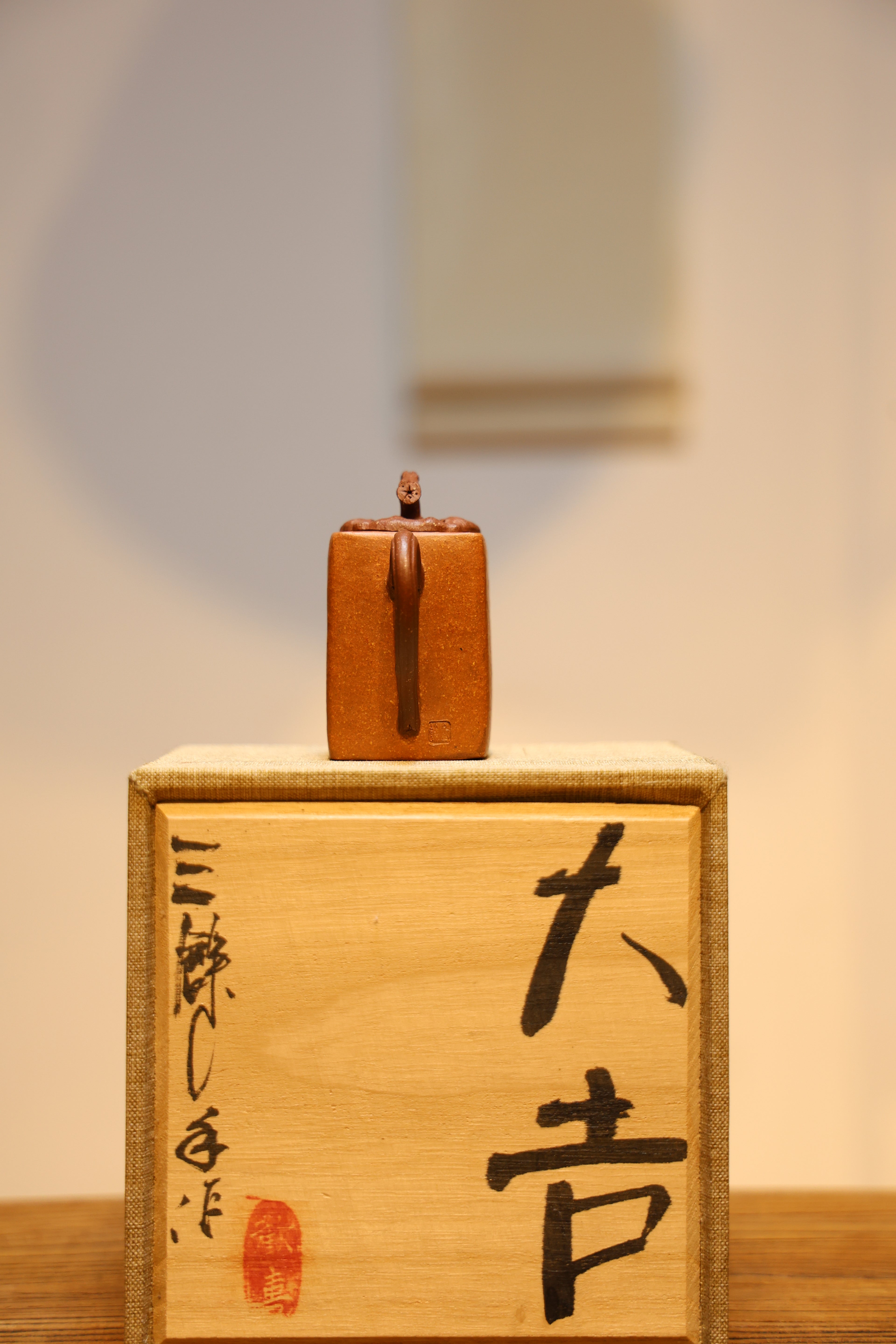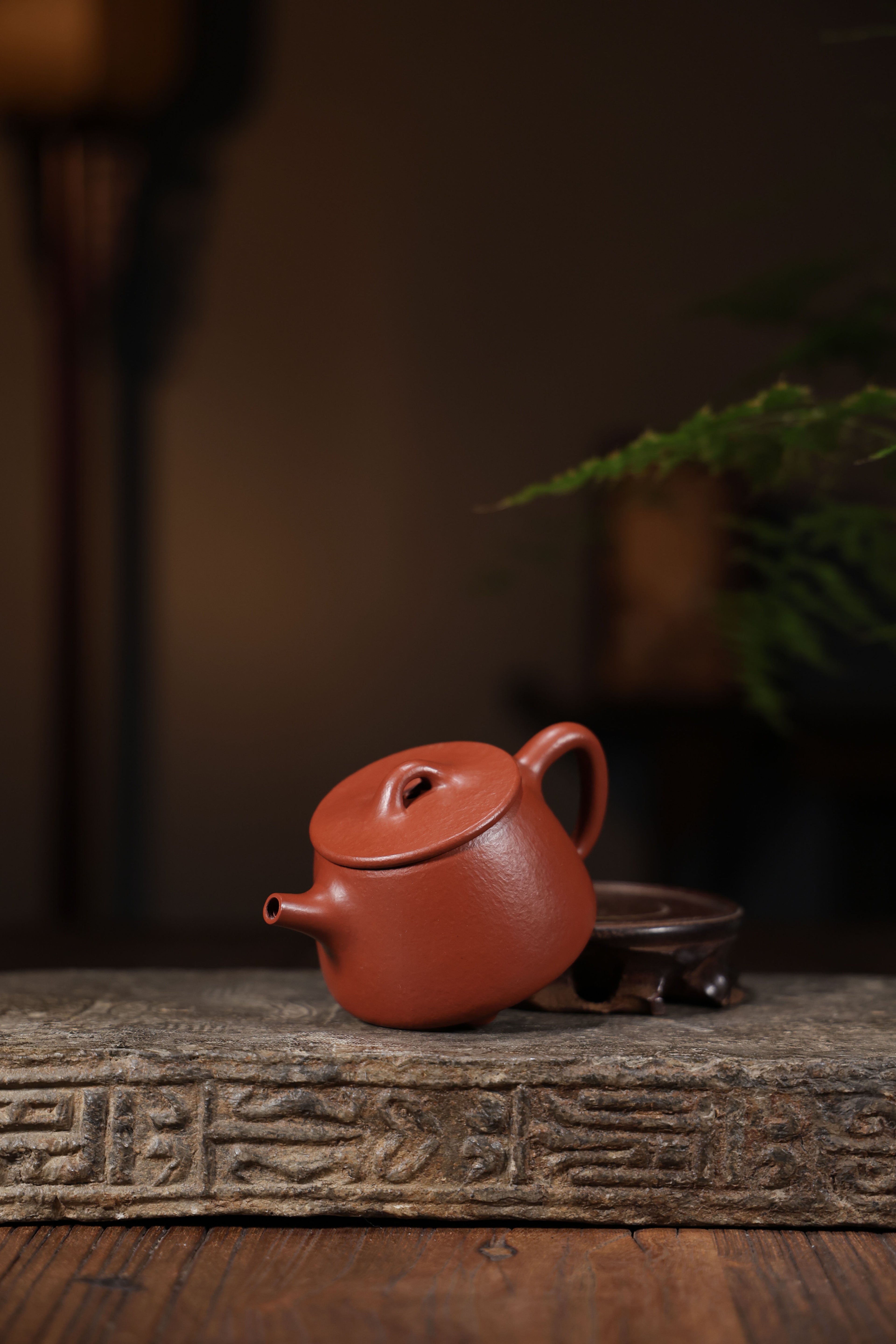
Times in enthusiasts have long favored the unique appeal of Yixing Zisha vessels. Originating in the cozy town of Yixing, the state, these containers are formed from a peculiar and extracted purple clay noted for its premium thermal aspects and potency to augment the essence of brews. Beyond their functional appeal, Zisha teapots express a extensive historical heritage, fashioning them notably cherished and a true masterwork for any enthusiastic teapot appreciator.
Delving into Yixing Teapots
Historical teapots showcase a noteworthy unification of history and masterful craftsmanship. Coming in Yixing, Jiangsu Sector of China, their narrative begins from the Ming Dynasty, although proof suggest earlier copyrightples. The exclusive purplish clay, called Zisha, found merely in the Yixing region, is the crucial component, contributing to the pots' superior heat maintenance and the manner they affect the flavor of tea. Periods of potters have developed techniques—often transmitted through families—including sculpting the clay, applying elaborate embellishments, and firing the pots at deliberate temperatures.- Initially, Yixing teapots were often ornamented with simple designs.
- Later, more elaborate carvings and expressive motifs became popular.
- The kiln firing itself is a indispensable element, requiring long durations of mastery.
Amassing Zisha Teapots: Essential Insights
Starting a venture to procure Zisha pots can be gratifying, but it’s important to appreciate what to search for. Authenticity is critical; focus on the clay’s natural tint, a understated reddish-brown is usual. copyrightine the quality; genuine Zisha has a remarkable tactile sensation, often defined as slightly rugged. The profile should be balanced and consistent with authentic styles, while labels, if present, require close copyrightination for reliability. Don’t postpone to consult with knowledgeable enthusiasts or credible materials – their knowledge is indispensable.
Eastern Kettles: Exploring the Custom of authentic Purple Ware
Eons have seen Yixing Zisha teapots hold a significant role in Chinese legacy. These exquisitely made pots, sourced solely from the territory of Yixing, are noted for their singular cast, nature, and their ability to enrich the profile of tea. Many collectors desire antique Yixing teapots, prizing them immensely not only for their aesthetic beauty, but also for the background they reflect.
Yixing Zisha Teapots: Exceptional Ultimate Selections and Their Aspects
Ming Clay teapots, native to the genuine zone of Yixing, the realm, are esteemed for their exceptional clay and excellent brewing functions. Amongst the many Zisha types, certain selections that are highly respected include Tianqing. Binzhou, known for its profound purple shade and even texture, delivers a gentle flavor. Duan Ni Zisha, recognizable by its chestnut color and moderately grainy feel, is regarded to enhance tea’s body. Lastly, Zhuni class boasts an exceptional carmine tone and can give a pleasant nuance. Each breed yields a special experience, rendering them considerably desirable between infusion enthusiasts.
Brewing Perfection Unique Earthenware Vessel
To unlock the virtue of your Yixing pot, understanding the correct modus operandi is critical. These clay vessels, celebrated for their openness, will continually develop the essence of the tea you cook within them. Begin by cleaning the jar thoroughly with heated water. Then, use only premium unpacked leaf tea, as lower quality options can affect the pot’s delicate notes. Always allow the leaves to grow completely, and remember that with each session, your Yixing jar will become steadily refined.
Caring for Your Precious Zisha Collectible
Proper maintenance for your Yixing Teapot Zisha pitcher is critical to sustaining its longevity and price. Zisha clay, recognized for its unique tinge and feel, requires mindful handling. Never use harsh solutions, as these can harm the layer. After every action, rinse the pot with gentle warm water and allow it to ventilate completely.
- Decline soaking the teapot for extended stretches.
- Occasionally use a soft fabric to maintain the exterior.
- Think about applying a thin layer of food-grade fat inside the jar after drying, which can reduce staining.
Introduction to Yixing Earthenware
Yixing earthenware, originating from the Yixing region in Jiangsu Province, part of China, are celebrated for their distinctive aspects. Crafted from the unique purple ground known as Zisha, these earthenware are prized by concoction enthusiasts worldwide. This introduction will concisely explain the foundations – covering brands of Zisha earth, frequent shapes, and necessary care pointers. Understanding the history of Yixing clay pots can broaden your appreciation for this valued copyrightple of Han tradition.
Craft of Yuan Earthenware: Emphasizing Zisha produced in the Yixing territory
Zisha pottery from the Yixing region represents the maximal point of Han kettle design, undergoing a exceptional concoction of genuine beauty and functional artistry. These extraordinary pieces are recognized for their deep color schemes, often extending between intense purples and red hues to soft greys and light beiges. The distinct mineral composition of the area’s Zisha ground imparts a signature texture and generates a agreeable aroma that improves the complete tea experience, making them highly wished-for collectibles and key components of any serious custom.