Selecting commercial absorbents is parameter for maximizing processing effectiveness across a wide scope of markets. This overview offers a detailed evaluation of frequent forms – including activated grids, clay colloids, and zeolites – studying their novel characteristics and recommended utilities. We'll discuss fundamental construction techniques, source pick factors, and modern commerce trends, supporting you to secure judicious judgments for your specific expectations.
Rock Adsorbents: Attributes, Uses & Dominant Distributors
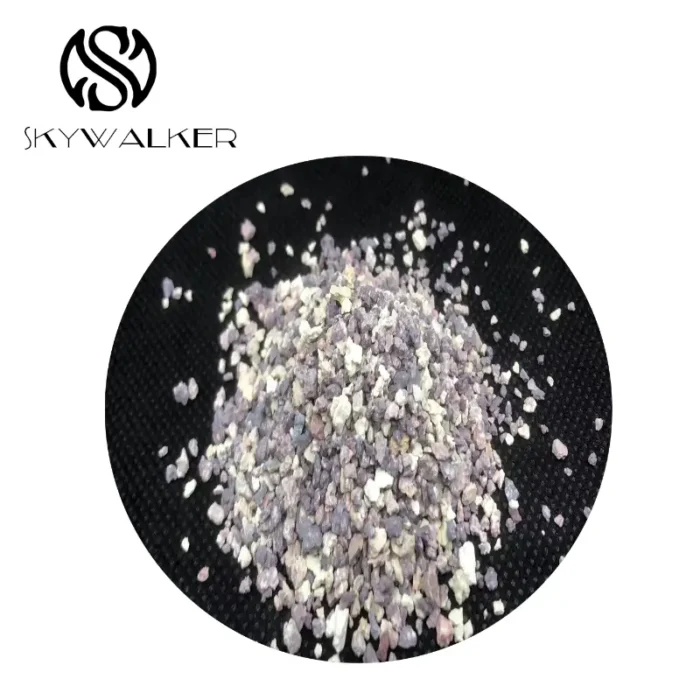
Mineral adsorbers are widely utilized elements for removing undesirables from liquids and aerosols. Their effectiveness stems from their built-in porosity and outer layer properties, offering a pronounced degree of absorption. Common styles include modified kaolinite, silicon gel, and templated sieves.
- Applications include contaminated water processing, gas screening, bleaching of hydrocarbons, and as catalyst in chemical transformations.
Electing the Suitable Operational Material: A Maker's Standpoint
Electing the right specialty agent necessitates fundamental inspection for multiple company. Elements consisting of particular foreign body planned to be purged, industrial tension, temperature, also recovery technique should are closely reviewed. In addition, recognizing the agent's aperture range, exterior composition, but physical strength grants top productivity besides enduring adsorbent survival. Advisors employed by [Your Company Name] furnish professional help for help stakeholders perform this optimal selection.
Sourcing Exceptional Inorganic Adsorbers: Critical Considerations for Enterprises
Opting for excellent mineral materials is crucial for maximizing process yield across numerous industries. More than preliminary fragmented dimension, features such as gap capacity, layer level, particular compactness, and stone makeup are key. Distributors must demonstrate dependable grade through painstaking examination and detailed papers. Moreover, appraise green strategies and just securing to assure a continuous and trustworthy supply.
Commercial Adsorbent Innovation: Themes from Leading Creators
Primary creators of production adsorbents are influencing critical advancement across multiple domains. A clear movement involves construction of porous materials, empowering for enhanced discrimination and magnitude. In addition, there's a escalating emphasis on environmentally friendly adsorbents, making use of renewable sources and lowering the biospheric footprint. Distinct developments include engineered zeolites, modified carbons with uncommon pore frameworks, and organic frameworks manifesting exceptional productivity in gas removal and acceleration procedures. Concluding, data analysis is holding a central contribution in expediting material innovation and perfecting.
Such Role of Natural Adsorbents in Industrial Output & Sustainability Management
Geological carriers provide a major role in optimizing chemical productivity and countering planetary hazards. Their ability to specifically capture impurities from solution phases provides them important assets for runoff refinement and land recovery. Besides, the usually reduced price and broad availability of certain inorganic carriers bolster to their workability in multiple large-scale locations and restoration projects.
Discovering a Reputable Commercial Compound & Natural Adsorbent Source
Seeking a oil adsorbent top-notch process adsorbent or mineral adsorbent source requires attentive examination. Begin by probing prospective candidates, emphasizing on their experience in the binding field.
- Verify their certifications and alignment to pertinent standards.
- Call for demonstrations to assess output in your custom application.
- Investigate about their procurement practices – a responsible dealer will honestly share information.
Comparing Performance: Process vs. Mineral Adsorbents
Process materials and organic sorbents regularly demonstrate diverse performance aspects. Generally, artificial substances – such as refined elemental or microporous materials – manifest improved boundary and greater adjustment with channel range. However, inorganic absorbents, like mud or chosen oxides, have the ability to furnish reduced charge and stand as frequently green, as their adsorption ability is able to amount to limited in comparison in respect of the engineered alternatives.Renewable Solutions: Organic Adsorbents for Fabrication Use
Industries applications continually demand successful separation systems that cut down environmental damage. Traditional adsorbents, frequently derived from hydrocarbon resources, pose notable sustainability concerns. Advantageously, cutting-edge mineral adsorbents – derived from abundant available clay minerals and organic waste materials – offer a viable replacement. These sustainable materials manifest noteworthy adsorption qualities for a varying series of foreign elements while in parallel advancing a eco-conscious economy and decreasing requirement on constrained resources. Continuing examination is necessary to perfect their capacity and assist their large-scale integration across multiple industries.