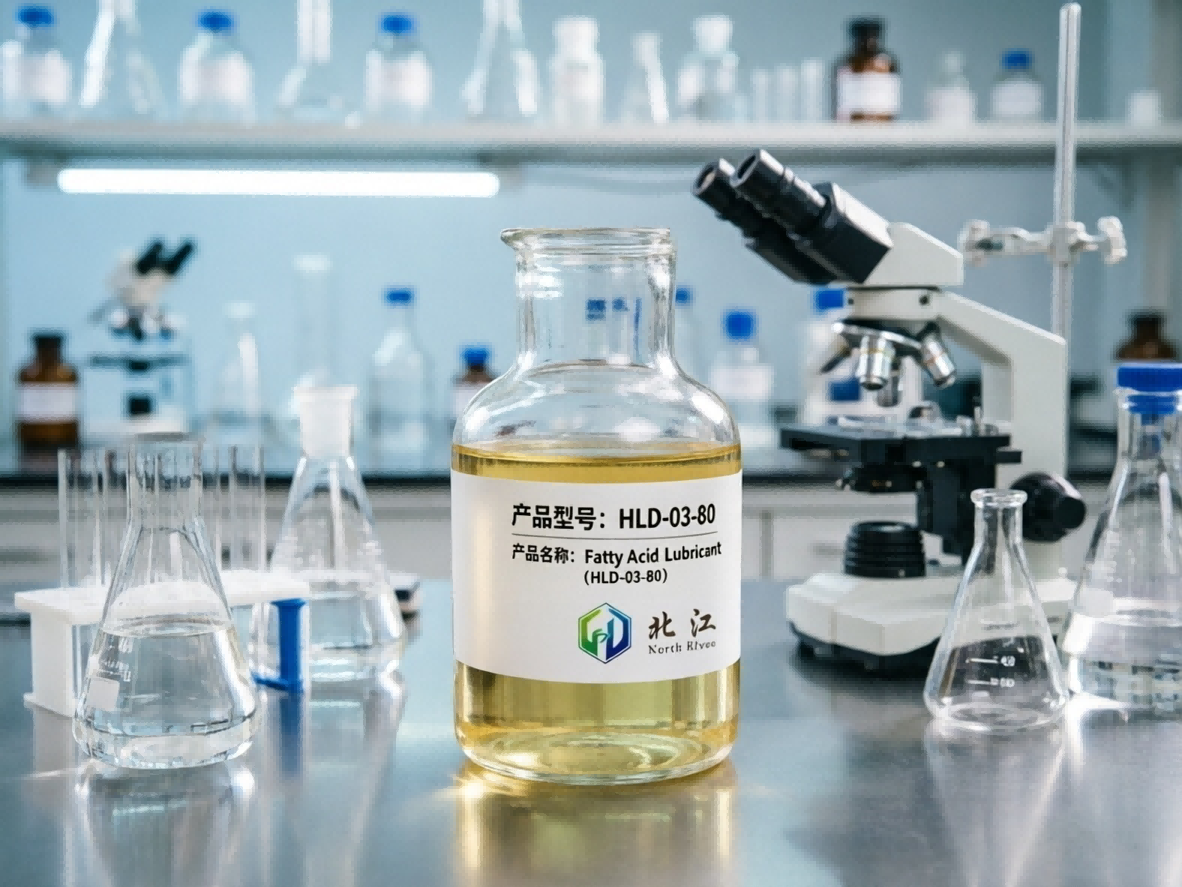
Embarking the examination relating to Processed Pulse Oil (ESO)
{Growing issues concerning classical modifiers show triggered that hunt to find sound approaches. Refined soybean oleic acid (ESO) develops as a favorable answer. Harvested from a biological supply, ESO affords a remarkable minimization in need on mineral fuels and functions to a augmented regenerative structure. Besides, ESO bestows favorable pliability and miscibility to varied synthetic compositions, enabling it a appropriate alternative for a ample group of implementations.
Neutral-Odor Care Class ESBO: Satisfying Strict Requirements
Recent development of low-odor medical grade ESBOs represents a fundamental breakthrough in patient care and well-being. Traditional ESBOs often manifest noticeable odors, which can be disturbing for both patients and medical personnel. Our new formulation utilizes modern technology to reduce odor generation, conforming to rigorous market standards. These ESBOs are created from premium materials and undergo meticulous testing to confirm biocompatibility and peak performance. Notably, this commodity addresses the growing need for low-impact procedures with a improved patient experience.
- Confers exceptional odor control.
- Obeys applicable healthcare regulations.
- Developed for optimal patient convenience.
High Resistivity ESBO: Enhancing Electrical Properties in Plastics
Single new procedure, Electrostatic Barrier Formation (ESBO), renders a encouraging direction for upgrading the electrical attributes of multiple compound components. By accurately regulating peripheral potential dispositions, ESBO forms extraordinarily non-conductive layers on the polymer platform, effectively cutting whole transmissivity. Our outcomes give rise to to intensified current shielding and capability for purposes in territories like elastic systems and high-power shielding arrangements.Green Modifier: ESBO's Role in Organic Polymer Deployments
That upward pressure for renewable resources has led engineers to study equivalents to traditional plasticizers. Presenting ESBO (Epoxidized Soybean Oil), such eco-friendly plasticizer collected from soybeans – assuming vital responsibility in fostering the safe production of several compound deployments. The potential to improve pliability and handling although lowering ecosystem result forms ESBO recommended alternative for biodegradable-polymer coverings and different compound outputs.ESBO Performance: Comparing Grades and Applications
Assessing ESBO's behavior requires a close review at both overall levels and the volume of filed registrations. Regularly, a firm correlation persists between good scores and the chance of approved applications; however, factors such as user's training and co-curricular undertakings can equally affect a notable part.
Fathoming Epoxidized Soybean Oil (ESBO) and its Benefits
Epoxidized pulse Oil (ESBO) embodies a changed form of vegetable oil, created through a chemical process that links epoxy groups. Those produces a specific plasticizer and stabilizer, widely utilized in the elastomer industry. ESBO performs primarily as a surrogate for dangerous phthalate plasticizers, affording a more nature-friendly solution. Discover the key benefits:- Enhances flexibility and strength of resins
- Lessens the need for toxic phthalates
- Supplies excellent heat resistance
- Plays as a preserver against degradation
- Encourages a resource-efficient creation process
Health Technology Manufacturing: Leveraging Low-Odor ESBO
New trends in biomedical manufacturing are driving a realignment toward greener processes. A fundamental component of this is the use of low-odor ESBO (Embossed, Stuccoed, Bonded, and Oven-cured) polymers. Traditional ESBO manufacturing can send out noticeable aromas, posing a complication for occupational safety and entire facility ambience. Low-odor ESBO solutions alleviate these outputs, fostering a improved space and arguably cutting the need for considerable ventilation.- Benefits include augmented air clarity.
- Lessens exposure to dangerous VOCs.
- Facilitates obedience with exacting regulatory criteria.
Boosting Plastic Durability: The Power of High Resistivity ESBO
Increase polymers' enduring durability incorporating superior barrier the substance. The revolutionary process notably minimizes wear resulting from on account of environmental influences, namely light wave and physical pressure. The material's characteristic dielectric attributes create the barrier result, yielding to into sustained utilization together with improved product dependability.
ESBO: Advancements in Modifiers
Surfacing as a encouraging answer to traditional, petroleum-based agents, ESBO (Ethyl Soyate-based Oligomers) is rising considerable recognition within the resins industry. Derived from beans, this bio-based element offers a renewable profile and the capability to decrease the epoxidized soybean oil hs code ecological effect of plasticized PVC and other functions. Beginning findings indicate impressive functionality comparable to existing plasticizers, suggesting ESBO could fulfill a significant element in shaping the trajectory of the modifier market.Finishing this analysis.