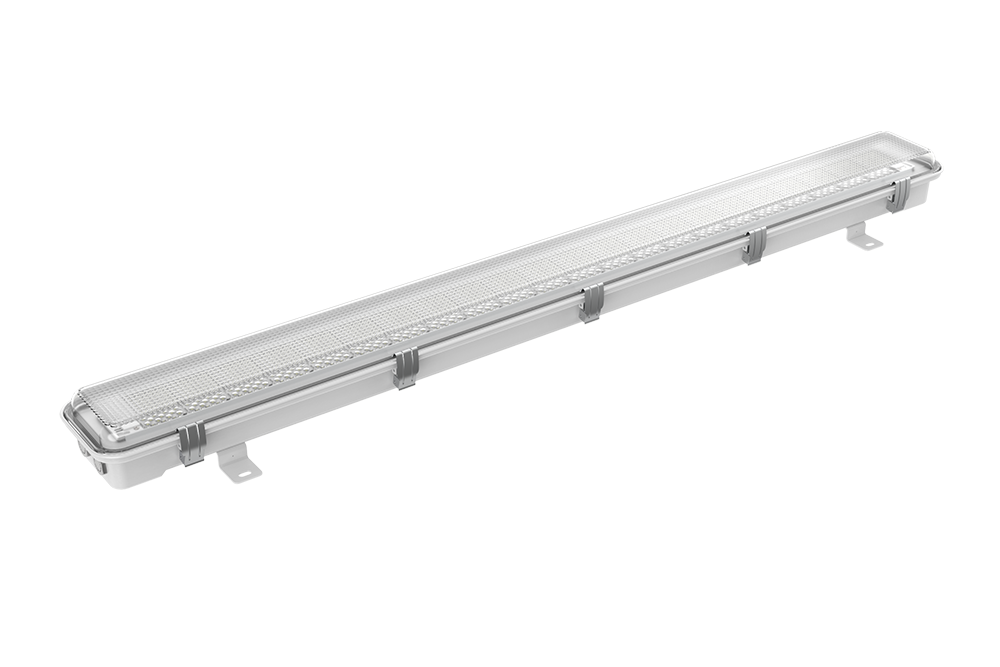
Beginning said text examines the devices concerning detonation-proof luminaires alongside processing sites.
Working appropriately around hazardous locales for instance chemical complexes demands purpose-built apparatus intended to reduce expected failures. Explosion-proof light sources are vital aspects in these spaces, designed to survive ignitions, ignitable gases, and ignitable atmospheres. Each appliances are not intrinsically non-hazardous; rather they are fabricated to sequester any enclosed electric burst or spark and block it from setting off a larger combustion in the vicinal environment. This manual provides vital intelligence about explosion-proof illumination, their functions, and defense elements for installing them safely.
Interpreting Explosion Proof Lighting Standards
Navigating certain ignition-proof lighting protocols can be tough, especially within fields working with hazardous conditions. These requirements – often based on global bodies among the National Electrical Commission (NEC), ATEX (Europe), and IEC – enforce rigorous design and installation methods to prevent the possibility of combustion from energized machinery. Understanding stipulated standards is decisive for ensuring team safety and compliance with legal mandates.
Light Emitting Diode Hazloc Certified Illumination: Productivity & Reliability
Electroluminescent ignition-proof lighting units deliver a considerable enhancement over classic incandescent sources in areas where flammable vapors are present. These hardy apparatus purely furnish remarkable fuel economy, bringing about minimized energy bills, but importantly ensure a boosted grade of safeguarding by minimizing the chance of fire outbreaks owing to electric faults}.
Explosion Certified Hazardous Region Unsafe Proof Detonation Blaze Burst Resistant} Illumination : A Thorough Synopsis
Explosion Hardened Risky Location Toxic Proof} Illumination are specifically manufactured lighting methods built to operate safely within plausibly combustible atmospheres. These hardy fixtures avoid sparks, thermal flux and electric discharges from producing a major explosion. They typically incorporate state-of-the-art designs, featuring particularly closed housings and fundamentally safe wireless units to ensure safety norms in industries like energy & petrochemical processing, production plants, excavation operations, and chemical production.
Picking the Optimal Hazloc Sources for Dangerous Environments
Recognizing the optimal detonation-safe illumination for a targeted classified space needs exacting analysis. Criteria such as the classification (e.g., Division I, II, or III and partitions 0) need to be rigorously evaluated to secure agreement with relevant protection directives. Excluding the site's fundamental exposures, consider surrounding parameters, covering heat and wetness, to choose a resilient and safe option. Consistently collaborate with a authorized expert to assist your judgment.
Zones Where Mandate Explosion Proof Lights?
Explosion-proof otherwise named intrinsically safe|hazardous location|Class-rated} fixtures are essentially needed in various areas where ignitable fumes or microparticles could conceivably create a unsafe atmosphere. This generally includes chemical refining plants, coating application areas, wood handling facilities, and effluent treatment facilities. Regulations, such as those from ATEX and OSHA, command their setup in these regions to lessen the risk of flames and protect security stability.
Gains of Luminescent in Blast Resistant Fixtures
Changing to Solid-State Lighting technology for hazardous location illumination offers a significant number of positives. First, electroluminescent units boast a noticeably longer use span compared to traditional gas-discharge sources, reducing servicing expenses and idle times. They are also primarily safer, producing attenuated caloric output which lessens the chance of flare-ups in flammable atmospheres. Besides, solid-state lights are increasingly cost-effective, leading to diminished electrical consumption costs and a narrowed earth-friendly mark. Finally, the durable configuration of Photon Emitting devices withstands the challenging settings typical of explosion proof areas.
- Augmented Service Life
- Reduced Support Charges
- Richer Safeguarding
- Reduced Fuel Utilization
- Heightened Toughness
Preserving and Evaluating Explosion Proof Lighting Systems
Periodic checking and exhaustive survey of blast-proof lighting systems are required crucial for confirming safety and minimizing potential pitfalls. This requires a recurrent review of all units, such as light fittings, ducts, power cables, and attached terminal enclosures. In particular, examine for chemical decay, physical defects, and correct electrical grounding. Additionally, check that every indications are identifiable and that the light required by applicable guidelines.
- Perform observable reviews.
- Examine wire interfaces.
- Validate detonation resistance.
Advancing of Explosion Proof Lighting Technology
Developing landscape of explosion-proof fixtures technology signals a distinct shift from traditional designs. Future applications will increasingly incorporate connected capabilities, enabling virtual monitoring, diagnostics, and responsive control. We imagine a strengthening adoption of semiconductor technology, not only for its inherent energy efficiency, but also its capacity to facilitate built-in sensors for monitoring risky conditions. Besides, materials exploration is accelerating innovations in sturdy covering materials, allowing for compressed and streamlined designs, while securing the vital levels of led explosion proof lighting precaution.
- Elevated battery life for conveyable applications.
- Assimilation with precautionary maintenance schemes.
- Implementation of auto-purging lens mechanisms.