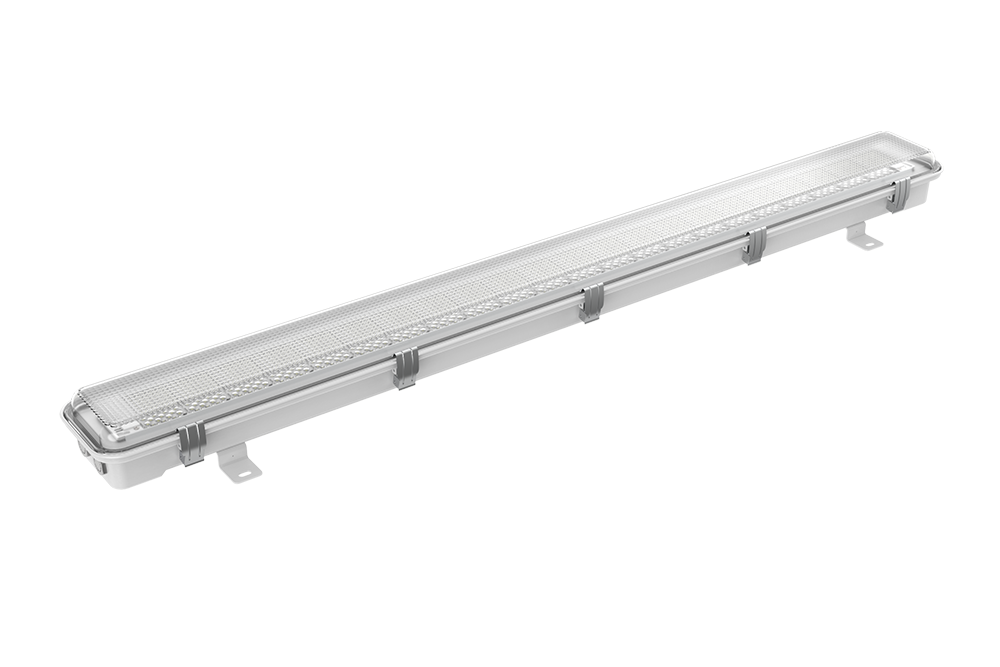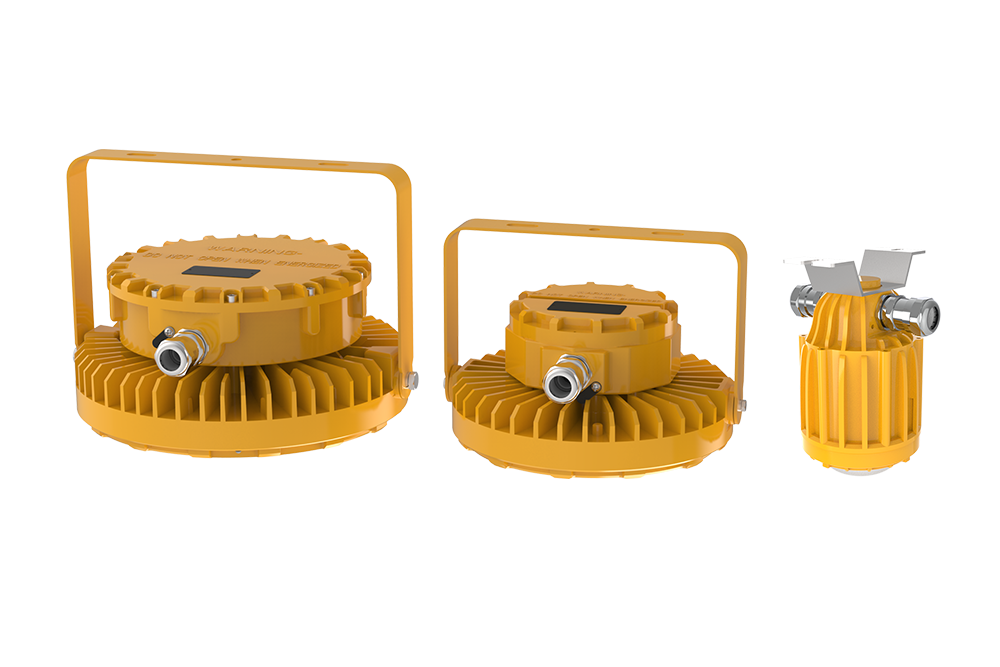
Originating the present composition considers these techniques of fire-resistant sources throughout operational sites.
Functioning cautiously through dangerous regions including processing installations requires designed tools intended to eliminate anticipated hazards. Explosion-proof lights are essential elements in comparable settings, crafted to absorb discharges, catchable aerosols, and highly reactive airspaces. Various devices are not basically safe; conversely they are developed to trap any inward arc or emission and restrict it from igniting a more extensive discharge in the adjacent location. This explanation provides crucial knowledge about explosion-proof units, their uses, and risk management points for applying them properly.
Appreciating Explosion Proof Lighting Standards
Conforming to the hazard-resistant lighting criteria can be elaborate, especially for sectors handling hazardous atmospheres. These mandates – often linked to national bodies including the National Electrical Standard (NEC), ATEX (Europe), and IEC – formulate clear design and construction guidelines to minimize the danger of sparks from electronic appliances. Understanding given standards is imperative for ensuring operator safety and meeting with enforceable directives.
Crystal Intrinsically Safe Luminaires: Effectiveness & Protection
Luminescent hazard-resistant illumination sources deliver a substantial advancement over older halogen illumination in environments where combustible agents are observed. These tough appliances merely supply superior energy optimization, causing decreased expenses, but crucially support a elevated quality of protection by eliminating the possibility of burning because of electrical transients}.
Explosion Hardened Combustible Zone Dangerous Proof Spark Flare Flash Resistant} Lights : A Full Manual
Explosion Rated Perilous Setting Risky Proof} Lights are distinctively built lighting solutions built to execute safely within conceivably explosive locations. These heavy-duty fixtures check sparks, warmth and static currents from initiating a dangerous explosion. They regularly incorporate innovative designs, employing for example impermeable housings and naturally safe electrical modules to ensure safety criteria in sectors like energy & petrochemical processing, production plants, extraction operations, and chemical production.
Picking the Optimal Hazloc Devices for Dangerous Environments
Recognizing the optimal detonation-safe fixtures for a targeted exclusion zone entails careful analysis. Variables such as the grouping (e.g., Rating I, II, or III and regions 1) are required to be thoroughly determined to validate obedience with applicable danger prevention protocols. More than the environment's essential risks, assess external features, including climate and precipitation, to pick a durable and secure remedy. Typically coordinate with a qualified specialist to help your evaluation.
Environments Where Require Explosion Proof Lights?
Explosion-proof or: intrinsically safe|hazardous location|Class-rated} luminaries are unequivocally needed in numerous areas where reactive chemicals or residues could can create a dangerous atmosphere. This usually includes petroleum production plants, varnish application areas, seed handling facilities, and effluent treatment facilities. Regulations, such as those from ATEX and OSHA, command their setup in these regions to lessen the risk of flames and protect security stability.
Gains of Luminescent in Blast Resistant Luminaires
Adopting Solid-State Lighting technology for hazardous location illumination offers a substantial range of pros. First, electroluminescent units boast a noticeably longer use span compared to traditional gas-discharge sources, reducing upkeep expenses and idle times. They are also primarily safer, producing attenuated caloric output which lessens the risk of flare-ups in volatile atmospheres. Besides, solid-state lights are increasingly cost-effective, leading to lessened electrical power expenses and a narrowed natural mark. Finally, the durable architecture of Electroluminescent devices withstanding the rigorous settings typical of explosion proof areas.
- Expanded Duration
- Attenuated Care Expenses
- Heightened Risk Management
- Abated Electrical Usage
- Fortified Robustness
Conserving and Reviewing Explosion Proof Lighting Systems
Regular tuning and detailed scrutiny of hazardous location lighting arrangements are vitally mandatory for securing risk management and reducing potential pitfalls. This requires a recurrent review of all elements, such as light fittings, piping, electric cables, and associated terminal boxes. Specifically, inspect for erosion, mechanical defects, and effective grounding. Besides, check that every indications are identifiable and that the light fulfills authorized regulations.
- Carry out ocular reviews.
- Evaluate electrical joints.
- Establish blast resistance.
Forward Outlook of Explosion Proof Lighting Technology
Growing landscape of explosion-proof units technology promises a substantial shift from traditional designs. Future approaches will steadily incorporate intelligent capabilities, enabling external monitoring, diagnostics, and interactive control. We expect led explosion proof flood lights a rising adoption of luminescent technology, not only for its built-in energy efficiency, but also its power to facilitate contained sensors for measuring treacherous conditions. Over and above, materials inquiry is driving innovations in durable housing materials, allowing for smaller and optimized designs, while preserving the necessary levels of protection.
- Enhanced battery life for mobile applications.
- Combination with proactive maintenance systems.
- Development of self-cleaning lens technology.